Understanding Trauma: A Helpful Guide to What is Happening in Your Body and Mind
Author: Lynda Chebbihi
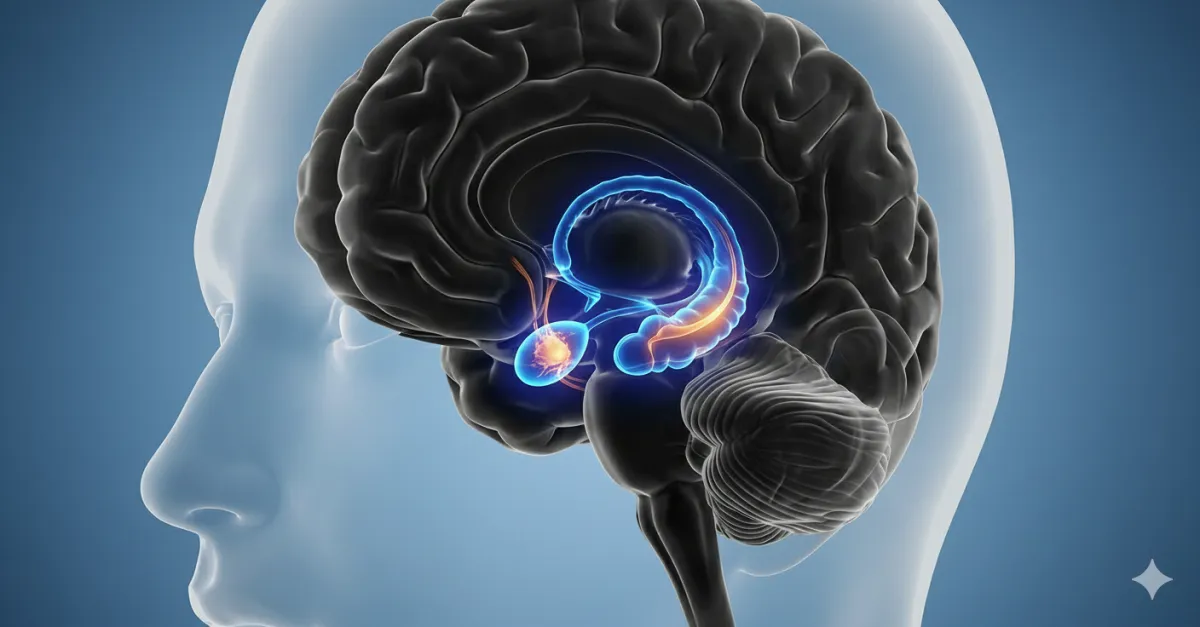
Photo: AI-generated of the activation of the limbic system "the emotional brain" and inactivity in the prefrontal cortex "the thinking brain".
Cick Here To Download Your Free PDF Version
1. Introduction
Experiencing trauma can make you feel as though you inhabit a different reality from those around you. This is a perfectly normal response to distressing events, as your body and mind adapt to survive. Trauma is not solely defined by what happened in your past; rather, it is shaped by your internal experience during those events, and what protective factors may have been missing at the time. As Dr Bessel van der Kolk highlights in his book, The Body Keeps the Score (2014), “Trauma is not defined by the event itself, but by your capacity to cope and who was there for you when it happened.” It is important to recognise that two people can endure the same traumatic event but have very different experiences and responses.
2. What Shapes the Difference?
The way individuals respond to trauma can vary significantly. Factors that influence this include:
Individual differences (temperament, vulnerability, and sensitivity)
Attachment history
Self-perception, relationships with others, and worldview
Whether protection or support was available at the time
A sense of safety within the body
The age at which the trauma occurred
3. How Trauma is Stored in the Body and Mind?
Trauma disrupts the nervous system, leading to difficulties in regulating emotions, maintaining social connections, and changes in physical states; individuals may experience:
Hyperarousal, such as intense emotions, flashbacks, and intrusive thoughts
Shutdown or collapse, which can manifest as disconnection, numbness, or trouble concentrating
Altered sensory processing, affecting visual, auditory, and internal bodily sensations
Automatic behavioural reenactments, including compulsions, self-harm, disordered eating, or substance use, which often start as survival strategies
Heightened immune responses, potentially increasing the risk of autoimmune issues
Trauma is stored both in the body and the nervous system, not just in the conscious mind. This can result in persistent reactions that are outside your conscious control.
4. Understanding Your Reactions
Many people carry shame or confusion about how they responded during frightening or overwhelming situations, often asking themselves questions like:
“Why didn’t I fight back?”
“Why did I freeze?”
“Why did I go along with it?”
These responses are not signs of weakness or a desire for attention. They are automatic survival mechanisms that your nervous system selected as the best way to protect you and manage unbearable experiences at the time. Overcoming such conditioning typically requires trauma-informed therapeutic approaches that help you distinguish between past threats and your current reality.
5. Why Trauma Feels Present Even When It’s in the Past?
Trauma often resurfaces not as memories, but as automatic reactions. The body can interpret certain sights, sounds, smells, or situations as signs of renewed danger, even when you are objectively safe. This can lead to:
Constantly scanning your environment for threats
Focusing on details others might overlook
Feeling on edge or uncomfortable in crowds or confined spaces
Becoming overwhelmed without an apparent reason
Sensing that something is wrong, even in safe situations
These are conditioned responses, similar to the reflexes observed in Pavlov’s dogs, where your nervous system reacts based on previous survival strategies. Therapy can support you in recognising the difference between past danger and current safety, and with grounding and stabilisation, you can learn to feel secure in the present.
6. How To Restore Agency, Purpose, and Control?
Because trauma affects both the body and the mind, talking alone is often not enough for recovery. Trauma can disrupt your sense of purpose and confidence in decision-making. You may find it helpful to explore body-based and somatic approaches that aid in resetting your body and rebuilding a sense of agency, control, and presence. These approaches include:
Mindful movement, such as yoga or tai chi
Breathwork
Grounding practices
Martial arts
Sensory awareness activities
Therapies that focus on bodily sensations
Art and play therapy
7. What Does Trauma Recovery Involve?
Recovery from trauma involves several key elements:
Restoring your ability to feel alive in the present
Reconnecting with your strengths and your body
Rediscovering your interests
Strengthening your voice and sense of identity
Taking small steps towards regaining agency
Re-establishing supportive relationships
Developing the capacity to remain present without being overwhelmed
8. Do You Need to Tell the Full Story to Heal?
No. It is not necessary to describe traumatic events in detail for therapy to be effective. What is most important is:
How your past experiences affect you today
How your body responds
How you interpret your emotions
How you can foster safety and grounding in the present
Trauma recovery is a journey, and with appropriate therapeutic interventions and support, you can reconnect with feelings of calm, purpose, pleasure, and develop a stronger sense of who you are. Besides, it is important to trust your own process to facilitate post-traumatic growth and live a fulfilling life in the here-and-now.
Trust your process.
Reference
van der Kolk Bessel (2014). The Body Keeps The Score. Mind, Brain and Body in The Transformation of Trauma. Penguin Books.